In healthcare, ransomware is no longer a risk that is occasional. It has emerged as one of the most vulnerable and harmful cyber threats in the US. Hospitals, clinics, and healthcare platforms are more and more attacked as they have to use the real-time information and they cannot afford to be out. This is a sense of urgency that predisposes them to pay ransom demands.
The recent attacks demonstrate that the ransomware attacks on healthcare in the USA are not only data theft attacks. They have a direct influence on patient care. Surgeries are put on hold, systems become offline and emergency services are impaired. Attackers in other instances also pose threats of leaking sensitive patient records putting pressure on organizations.
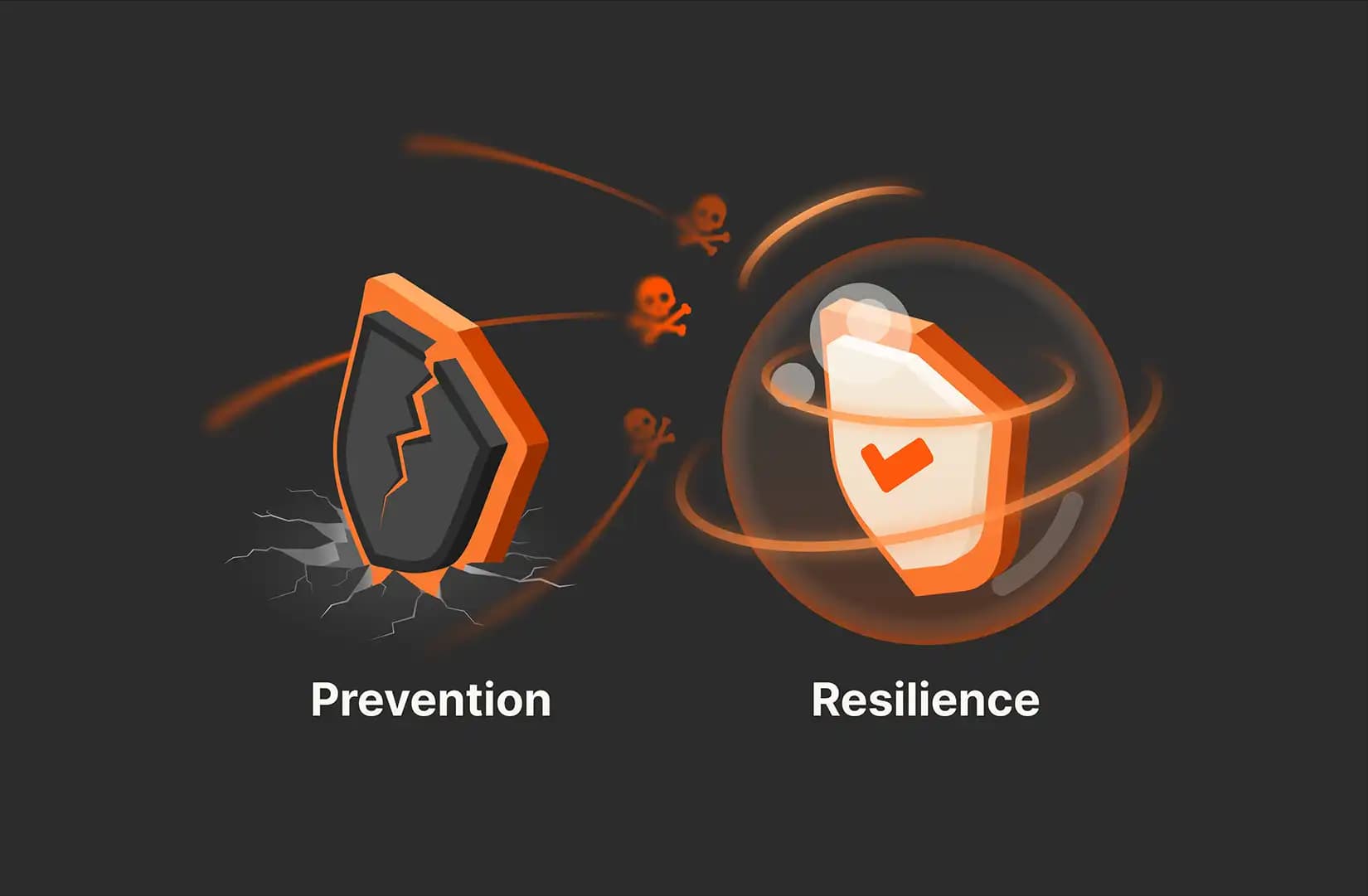
At this point cyber resilience is necessary. Not only are the healthcare providers ready to prevent the attacks, but also ready to respond as fast as possible in order to recover without significant disruption.
What Is Ransomware in Healthcare
Ransomware is a form of computer attack in which the persons attack the systems and lock them or encrypt them, requiring payment to access the system again. This can be in the form of electronic health records (EHR), diagnosis systems, and patient databases in the healthcare field.
The attackers typically follow weak points that include phishing emails, unlocked systems, or ageing softwares. Upon finding their way into the network they propagate perpendicularly through the network where they acquire access to vital infrastructure. The outcome in many cases, is a massive medical information breach in the USA, where both the processes and the sensitive data get violated. The information collected by healthcare is very useful since it contains personal, financial, and medical data. Hospitals are also a convenient target to cybercriminals. Impact of Ransomware Attacks on Healthcare Operations Ransomware has more than an IT effect in healthcare. It has a direct impact on patient safety and continuation of operations. The hospitals can lose functionality of patient records hence necessitating the staff to turn to manual operations. Emergency treatment will be postponed and planned surgeries will be canceled. Even several minutes of delay in case of critical situations can be very severe. There are also great financial losses. The cost will entail payment of ransom, system recovery, legal fines, and reputational damage. Regulatory scrutiny of many organizations is also experienced following an attack particularly where the USA requirements of patient data protection USA have not been met. Federal and Regulatory Response to Healthcare Ransomware The United States has seen institutions that deal with healthcare enhancing regulatory scrutiny in regard to cybersecurity. As it is mentioned in HIPAA ransomware guidance, ransomware attack counts as the security incident and simultaneously might be regarded as the data breach. Healthcare organizations must apply protective measures to secure data about patients and keep the system accessible. This will involve risk assessment, access controls and incident response planning. Compliance does not simply mean escaping punishment. It is a major element of creating a safe environment. Companies that are in line with the regulations are in a better position to curb and respond to attacks. Common Entry Points for Ransomware Attacks • Ransomware attacks in healthcare often begin with simple entry points, primarily through phishing emails. • Staff may accidentally click on infected attachments, leading to breaches. • Weak passwords and lack of multi-factor authentication exacerbate vulnerabilities. • Outdated software and unpatched systems present additional entry points for attackers. • Third-party vendors and related healthcare applications are often insecure unless properly secured. • Identifying these entry points is crucial for reducing exposure to ransomware attacks. An average ransomware attack is organized. First, phishing or vulnerabilities provide an initial access to the attackers. They then traverse the network detecting important systems and information. As soon as they gain adequate control they install ransomware to encrypt files and systems. This is the point at which the operations are choked and also, a ransom demand made. Attackers in most instances also intimidate to publish stolen information thereby piling more pressure on the organization. This refers to cyber extortion within the healthcare arena, and more of the high-tech attack groups have become more prominent. Prevention should involve both technical and humanized awareness. Strong identity and access management should be implemented in healthcare organizations. All systems should have multi-factor authentication. Patches and vulnerability management has to be done regularly to minimise the attack surfaces. Network segmentation assists in containing an attack in case a breach is done. There is another defense level of endpoint protection and constant monitoring. Training of employees is also important. Phishing risks should be known and safe practices adhered to by staff. This awareness can be reinforced with the help of regular simulations. This is where security testing comes in. Healthcare Conducting VAPT and penetration tests aid in discovering the weak points before the attackers. Development of an Efficient Ransomware Response Plan Although greatly fortified, there is never total protection. That is the reason why the plan of response is important. The initial one is early detection. Organizations are advised to have systems in place that they monitor in order to detect abnormal activity. After an attack is detected, isolated systems are to be isolated to allow ransomware prevention healthcare to further spread. Safety systems are necessary in ransomware recovery plan healthcare. Routine malware checked backups enable companies to resume business without ransom. It is also important with regard to communication. The teams are required to organize among each other and report accidents to the concerned authorities. An effective healthcare incident response plan would enable a timely and well-organized and efficient handling of a crisis. Why Start Now Ransomware attacks are developing at a high rate. Hackers are adopting sophisticated methods and attacking healthcare organizations of any size. The delay in action is risky. The longer the vulnerabilities go unaddressed the more the vulnerabilities can be exploited by attackers. Meanwhile, the rules and regulations are becoming highly demanding to follow, particularly in the United States. Healthcare organizations cannot risk it. The only solution is to be proactive in keeping ahead of contemporary threats. Conclusion: Strengthening Healthcare Cyber Resilience Healthcare cybersecurity is evolving. Ransomware is not a farfetched thing. It is a daily risk that people have to pay their constant attention and enhance it. Periodic testing cycles are no longer happening. We develop continuous and adaptive security plans to secure health care systems to mitigate the changing threat of ransomware. In case your organization still relies on reactive security, the window of risk will still be open. Now it is time to increase your cyber resilience. Ploutosec has the capability to carry out proactive defense and ransomware defense measures specific to healthcare settings. +1 (431) 306-2004 Strategizing to wait till an attack occurs is not a plan. Prepare strength before failure takes place. FAQs What does ransomware mean in health care? Healthcare ransomware is a form of cyberattack in which criminals encrypt hackers of the systems or steal patron data and demand money back. It may interfere with business, slow down treatment and cause severe medical data breach in the USA. What makes healthcare organizations the ransomware target? The healthcare organizations are targeted since they are based on real-time systems and contain extremely sensitive data about patients. This will increase their chances of paying ransom as soon as possible to resume operations. What can healthcare providers do to avoid ransomware attacks? Preventions of ransomware can be put in place by healthcare providers, which are strong access controls, multi-factor authentication, regular patching, employee training, and continuous security testing such as healthcare VAPT. Are they supposed to do anything after a ransomware attack in hospitals? Hospitals are advised to quarantine the infected systems, trigger their incident response plan, and recover the system using the backups and report the incident to the authorities. Quick action reduces damage. Does ransomware pose a HIPAA compliant problem in the USA? No, no, ransomware is a security incident as per HIPAA. In case the patient data is compromised, they can also be viewed as the data breach, and the measures of reporting and compliance should be taken. Define what a healthcare incident response plan is? A health care incident response strategy is a standardized method of identifying, holding and restoring cyber attacks. It guarantees a minimum interference to the patient care and the operations. What is the role of cyber resilience in helping healthcare organizations? Cyber resilience aids healthcare organizations to keep operations going even when they are attacked. It concentrates on prevention to detect, respond as well as recover to decrease downtime and loss of data.What a Healthcare Ransomware Attack Looks Like
How to Prevent Ransomware in Healthcare